By: Abigail Murray, PsyD

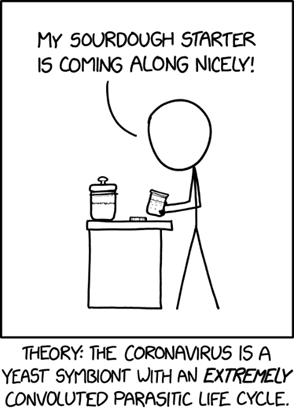
We are now all in a collective trauma and many of the ways we previously made daily meaning (through friends, family, work) have been challenged by this new, attenuated normal. When the pandemic first hit, a slew of articles landed touting the ways one should make meaningful use of this unexpected time at home (to Bake! Exercise! Do self-care!! Be calm! Meditate!). There were DIYs, lists of hobbies to take on (“Fun things to do during lockdown!”), compilations of free activities, and many more. I found myself having an “ick” reaction to these for a few reasons. Was I the only one objecting to the forcing of sourdough starter down my metaphorical/literal throat? (For the record, I love sourdough).
First, these articles felt like something of a manic defense. Defenses, we know, are activated when something is under attack. We mobilize them to protect ourselves. Melanie Klein, a psychoanalyst, coined the term “manic defense” to refer to a more intense version of the psychic defense denial. Rather than sit with the realities of the pandemic (loss of job, fear of health, social isolation), these articles advocated for an intense shift to action, a flurry of distraction under the guise of being good for health.
Second, the use of a manic-style defense can in turn crystallize pathologies. Managing corona-related anxiety by channeling thoughts into too much exercise or overly managed eating can lead to disordered eating patterns and distorted body image, for example.
Third, the ability of social media to broadcast people’s manic defenses in action only furthers point two above. The more people can quite literally see/watch their friends/community making perfect foods, appearing to have gotten their exercise regimen into better shape than it ever was before, AND running a home-schooling program, the more the “comparisons game” gets activated. This also circumvents any normalization of struggle during this time, something which could be perhaps more therapeutic than any self-care regimen.
So, what can we do with this? Stop baking? The answer is much more nuanced. Enter: dialectical thinking. This refers to the ability to consider something from multiple perspectives – to hold seemingly incongruent pieces of information together and allow for their coexistence. When we don’t do this, we are unable to validate our own feelings, leading back to needing to defend against them. In action, this means we replace the word “or” or “but” with “and.” See below:
“I feel blessed to still have a job and I’m terrified.”
“I like having more time at home and I’m really, exquisitely lonely.”
“I want to go back to seeing people I love and I’m afraid of getting sick.
“I appreciate being able to keep my kids safe at home and they are driving me out of my mind.”
Invoking dialectical thinking gives space for all feelings – one does not occur at the expense of the other.
At the end of the day, we are all trying to come to terms with the increasing awareness that we are not always in control. If we sometimes need to throw ourselves into something, this is completely normal. And if we bake ourselves into feeling just a bit more nourished and safe, well that’s just … delicious.
 The Country Psychologist
Leave a comment